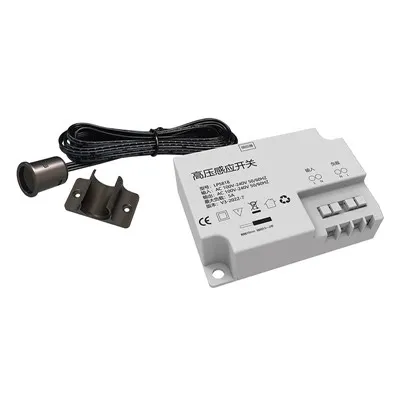
Humidity is an environmental factor that can significantly impact the performance of various electronic devices, including cabinet LED drivers. As a supplier of cabinet LED drivers, I’ve witnessed firsthand how humidity can pose challenges and opportunities in the operation and longevity of these crucial components. In this blog, I’ll delve into the science behind the effects of humidity on cabinet LED drivers, share real – world experiences, and offer some practical advice for dealing with this issue. Cabinet LED Driver
The Science of Humidity and Its Interaction with Cabinet LED Drivers
To understand how humidity affects cabinet LED drivers, we first need to grasp the basic concept of humidity. Humidity refers to the amount of water vapor present in the air. It is commonly measured in relative humidity (RH), which is the ratio of the current amount of water vapor in the air to the maximum amount the air can hold at a given temperature.
Cabinet LED drivers are complex electronic devices that consist of printed circuit boards (PCBs), active and passive components, and a housing. When exposed to high humidity, several physical and chemical processes can occur that directly affect their performance.
One of the most immediate effects of high humidity is the formation of condensation. When the temperature of a surface within the cabinet drops below the dew point of the surrounding air, water vapor in the air condenses into liquid water on that surface. This can be particularly problematic for LED drivers because water is a good conductor of electricity. If water droplets come into contact with the PCB or other components, it can cause short – circuits, corrosion, and electrical failures.
Corrosion is another long – term consequence of high humidity. The presence of water vapor in the air, especially when combined with pollutants such as sulfur dioxide or nitrogen oxides, can create a corrosive environment. Over time, metal components in the LED driver, such as connectors, traces on the PCB, and heat sinks, can corrode. Corrosion not only weakens the mechanical integrity of these components but also increases their electrical resistance. Higher resistance can lead to increased power losses, reduced efficiency, and ultimately, premature failure of the LED driver.
In addition to condensation and corrosion, high humidity can also affect the dielectric properties of insulating materials used in the LED driver. Insulators are critical for preventing electrical leakage and ensuring the proper functioning of the device. However, when exposed to high humidity, the electrical conductivity of these insulating materials can increase, reducing their effectiveness. This can lead to electrical breakdowns and safety hazards.
Real – World Experiences: How Humidity Impacts LED Drivers in Different Settings
I’ve had the opportunity to work with customers in a wide range of environments, from high – humidity tropical regions to controlled indoor settings. In tropical areas with high year – round humidity, we often receive reports of LED driver failures that can be directly attributed to the humid environment.
For example, in a cabinet installation in a coastal city, the high salt content in the air combined with high humidity created an extremely corrosive environment. Within a few months of installation, many of the LED drivers started to show signs of corrosion on the connectors and PCB traces. This led to intermittent electrical connections, flickering LEDs, and eventually, complete driver failure.
On the other hand, in indoor settings where humidity is generally better controlled, the problems related to humidity are less frequent but still present. In some commercial kitchens, for instance, the continuous steam generated during cooking operations can raise the humidity levels within the cabinets. Even though the environment is indoors, the high humidity can cause condensation on the LED drivers, leading to short – circuits and malfunctions.
In data centers, which typically have strict environmental control requirements, even a minor deviation in humidity can have a significant impact on the performance of cabinet LED drivers. Data centers rely on these drivers to provide reliable lighting for maintenance and inspection purposes. If the humidity becomes too high, it can affect the stability of the power supply provided by the LED drivers, leading to potential disruptions in the data center operations.
Strategies to Mitigate the Effects of Humidity on Cabinet LED Drivers
As a supplier, I understand the importance of providing solutions to our customers to combat the negative effects of humidity on cabinet LED drivers. Here are some strategies that we often recommend:
Proper Ventilation
Ensuring proper ventilation in the cabinet housing the LED driver is crucial. Good ventilation helps to remove moisture – laden air and replace it with drier air. This can be achieved through the use of vents, fans, or natural convection. By maintaining a constant flow of air, the risk of condensation can be significantly reduced.
Sealing the Enclosure
Sealing the LED driver enclosure can prevent water vapor from entering. Using gaskets, O – rings, and sealed connectors can create a barrier between the sensitive electronic components and the humid environment. However, it’s important to note that the enclosure should also be designed to allow for some degree of air circulation to prevent the build – up of heat, which can also affect the performance of the LED driver.
Humidity Control in the Environment
In larger installations, such as commercial buildings or industrial facilities, it may be necessary to control the overall humidity in the environment. This can be achieved through the use of humidifiers or dehumidifiers. For example, in a storage facility where cabinets of LED drivers are installed, a dehumidifier can be used to maintain a stable and low humidity level, reducing the risk of corrosion and other humidity – related problems.
Using Humidity – Resistant Components
When manufacturing cabinet LED drivers, we make sure to use components that are more resistant to humidity. For example, some PCBs are coated with a conformal coating, which provides a protective layer against moisture, dust, and chemicals. Additionally, using corrosion – resistant metals for connectors and other components can also extend the lifespan of the LED driver in high – humidity environments.
The Business Aspect: Why Customers Should Prioritize Humidity – Resistant LED Drivers
From a business perspective, investing in humidity – resistant cabinet LED drivers can bring significant benefits. First and foremost, it can reduce the total cost of ownership. By choosing drivers that are less susceptible to humidity – related failures, customers can minimize the need for frequent replacements and maintenance. This not only saves money but also reduces downtime, which is especially important in commercial and industrial applications.
Secondly, humidity – resistant LED drivers can improve the reliability of lighting systems. In applications such as retail stores or museums, consistent and reliable lighting is essential for creating a pleasant shopping or viewing experience. A failure in the LED driver can lead to dark spots or flickering lights, which can have a negative impact on the customer experience.
Finally, by using high – quality, humidity – resistant LED drivers, customers can enhance their brand image. In industries where reliability and quality are key differentiators, such as high – end residential lighting or high – tech manufacturing, the use of reliable components reflects positively on the overall brand.
Let’s Talk about Your LED Driver Needs
If you’re looking for cabinet LED drivers that can withstand the challenges of high – humidity environments, I’d love to have a conversation with you. Our team has extensive experience in developing and manufacturing LED drivers that are designed to perform reliably in a wide range of conditions. Whether you’re in a tropical climate, a commercial kitchen, or a data center, we can provide you with the right solution.
LED Driver Contact me to discuss your specific requirements, and let’s work together to ensure that your lighting system runs smoothly and efficiently for years to come.
References
- Mohan, Ned, Tore M. Undeland, and William P. Robbins. Power Electronics: Converters, Applications, and Design. John Wiley & Sons, 2012.
- Grover, P. K. Environmental Degradation of Materials. J. Wiley, 1996.
- Wohlmuth, Ralph, and Robert C. Dobkin. “Humidity and Its Effects on Electronic Equipment.” IEEE Transactions on Components and Packaging Technologies 23.3 (2000): 481 – 490.
Dongguan Lanbaoli Intelligent Technology Co., Ltd.
As one of the most professional cabinet led driver manufacturers and suppliers in China, we’re featured by quality products and low price. Welcome to buy advanced cabinet led driver for sale here from our factory. If you have any enquiry about quotation, please feel free to email us.
Address: 10th Floor, Building 32, Golden Town, No. 7 Technology Avenue, Houjie Town, Dongguan City, Guangdong Province
E-mail: anna@lampow.cn
WebSite: https://www.lblsensor.com/
