As a supplier of LNG refueling equipment, I understand the critical importance of ensuring that our products meet the highest standards of performance. Testing the performance of LNG refueling equipment is a multi – faceted process that involves a combination of theoretical knowledge, practical testing, and adherence to industry standards. In this blog, I will delve into the key aspects of testing the performance of LNG refueling equipment. LNG Refueling Equipment

Understanding the Basics of LNG Refueling Equipment
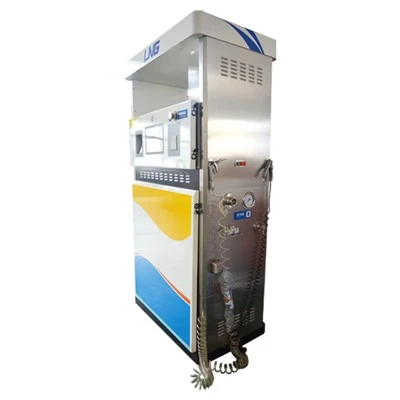
Before we can test the performance of LNG refueling equipment, it is essential to have a clear understanding of its basic components. LNG refueling equipment typically includes storage tanks, pumps, dispensers, vaporizers, and control systems. Each of these components plays a crucial role in the overall performance of the refueling process.
The storage tank is responsible for storing the LNG at low temperatures. It must have excellent insulation properties to minimize heat ingress and prevent the LNG from vaporizing prematurely. The pump is used to transfer the LNG from the storage tank to the dispenser. It needs to be able to generate sufficient pressure to ensure a smooth and efficient refueling process. The dispenser is the interface between the equipment and the vehicle. It must accurately measure the amount of LNG being dispensed and provide a safe and convenient refueling experience. The vaporizer is used to convert the liquid LNG into a gaseous state for use in the vehicle’s engine. Finally, the control system monitors and regulates the entire refueling process, ensuring safety and efficiency.
Testing the Storage Tank
The first step in testing the performance of LNG refueling equipment is to test the storage tank. One of the most important parameters to measure is the tank’s insulation performance. This can be done by measuring the boil – off rate, which is the rate at which the LNG in the tank vaporizes due to heat ingress. A low boil – off rate indicates good insulation.
To measure the boil – off rate, we typically seal the storage tank and monitor the pressure change over a period of time. Using the ideal gas law and the known properties of LNG, we can calculate the amount of LNG that has vaporized. This test should be conducted under different environmental conditions, such as different ambient temperatures and humidity levels, to ensure that the tank performs well in various real – world scenarios.
Another important aspect of testing the storage tank is to check its structural integrity. This can be done through non – destructive testing methods, such as ultrasonic testing and X – ray testing. These methods can detect any cracks or defects in the tank’s walls, which could lead to potential safety hazards.
Evaluating the Pump Performance
The pump is a critical component of the LNG refueling equipment, and its performance directly affects the refueling speed and efficiency. To test the pump, we first need to measure its flow rate. This can be done by using a flow meter installed in the pipeline between the pump and the dispenser.
We also need to test the pump’s pressure – generating capacity. By measuring the pressure at the pump outlet under different flow rates, we can determine if the pump can generate sufficient pressure to meet the requirements of the refueling process. Additionally, we need to check the pump’s efficiency. This can be calculated by comparing the power input to the pump with the useful work it does in transferring the LNG.
During the pump testing process, it is also important to monitor the pump’s vibration and noise levels. Excessive vibration or noise could indicate a problem with the pump’s bearings, impellers, or other components, and may lead to premature failure of the pump.
Assessing the Dispenser
The dispenser is the part of the equipment that interacts directly with the end – user, and its performance is crucial for a positive refueling experience. When testing the dispenser, accuracy is of utmost importance. We need to ensure that the dispenser can accurately measure the amount of LNG being dispensed.
This can be tested by comparing the dispenser’s measurement with a calibrated reference measurement. For example, we can use a calibrated container to collect the dispensed LNG and then measure the volume or mass of the LNG in the container. The difference between the two measurements should be within the acceptable error range specified by industry standards.
We also need to test the dispenser’s refueling speed. The refueling speed should be fast enough to meet the needs of the users but also slow enough to ensure safety. The dispenser should also be easy to operate, with clear instructions and user – friendly interfaces.
In addition, the dispenser’s safety features, such as over – fill prevention and leak detection, need to be thoroughly tested. These features are essential for preventing accidents during the refueling process.
Testing the Vaporizer
The vaporizer is responsible for converting the liquid LNG into a gaseous state. To test the vaporizer, we first need to measure its vaporization capacity. This can be determined by measuring the amount of LNG that can be vaporized per unit of time.
We also need to check the temperature of the gaseous LNG at the vaporizer outlet. The temperature should be within the acceptable range for the vehicle’s engine to operate efficiently. Additionally, the vaporizer’s heat transfer efficiency needs to be evaluated. This can be done by measuring the heat input to the vaporizer and the amount of heat transferred to the LNG.
During the testing process, we also need to monitor the vaporizer for any signs of icing or blockage, as these can affect its performance and may lead to system failures.
Analyzing the Control System
The control system is the brain of the LNG refueling equipment, and it is responsible for ensuring the safe and efficient operation of the entire system. When testing the control system, we need to check its functionality.
This includes testing the system’s ability to monitor and regulate the temperature, pressure, and flow rate of the LNG. The control system should be able to detect any abnormal conditions, such as over – pressure or low – level situations, and take appropriate actions, such as shutting down the system or sending alarm signals.
We also need to test the control system’s reliability. This can be done through long – term operation testing, where the system is continuously monitored for a period of time to ensure that it functions correctly without any malfunctions.
Adhering to Industry Standards
Throughout the testing process, it is essential to adhere to relevant industry standards. These standards, such as ISO and ASTM standards, provide guidelines for the design, construction, and testing of LNG refueling equipment. By following these standards, we can ensure that our equipment meets the highest safety and performance requirements.
In addition to international standards, we also need to comply with local regulations. Different regions may have different requirements regarding the installation, operation, and testing of LNG refueling equipment. Therefore, it is important to stay up – date with the latest regulations in each market we serve.
Conclusion
Testing the performance of LNG refueling equipment is a comprehensive and complex process that requires a deep understanding of the equipment’s components and functionality. By thoroughly testing each component, from the storage tank to the control system, and adhering to industry standards, we can ensure that our LNG refueling equipment provides reliable, safe, and efficient refueling services.
Gas Steam Boiler If you are in the market for high – quality LNG refueling equipment or have any questions about our testing processes and products, we encourage you to reach out to us for further discussion and potential procurement. We are committed to providing the best solutions for your LNG refueling needs.
References
- ISO standards related to LNG refueling equipment.
- ASTM standards for cryogenic equipment and LNG handling.
- Technical literature from leading manufacturers of LNG refueling components.
Xinxiang Huayuan Container Equipment Co., Ltd.
With abundant experience, we are one of the most reliable LNG refueling equipment manufacturers and suppliers in China. We warmly welcome you to buy durable LNG refueling equipment made in China here from our factory. If you have any enquiry about cooperation, please feel free to email us.
Address: No.2, South Road, Industrial Cluster Zone, Genghuang Township, Fengquan District, Xinxiang City, Henan Province
E-mail: cncd527@gmail.com
WebSite: https://www.huayuanequipment.com/
