If you’ve ever shopped for knitwear, you’ve probably heard the quiet hype around cashmere yarn: it’s soft, warm, and often billed as gentle on sensitive skin. For years, my team and I have fielded the same question from spinners, small-batch knitters, and even first-time shoppers: Is cashmere yarn actually hypoallergenic? As a supplier who works directly with cashmere producers, tests every batch we carry, and sees first-hand how different people react to the fiber, I want to break this down without the marketing fluff. Let’s get into the science, the myths, and what this actually means if you’re looking for yarn that won’t leave you scratching mid-project. Cashmere Yarn
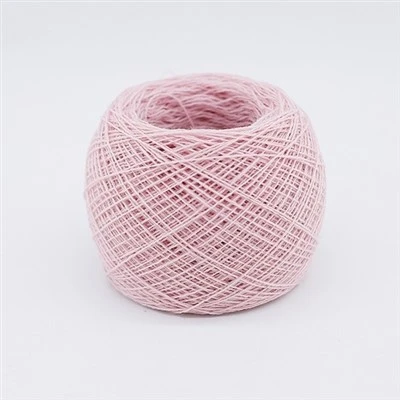
First, let’s define what hypoallergenic even means, because that term is thrown around way too loosely. A hypoallergenic product is one that’s less likely to trigger an allergic reaction, right? It doesn’t mean it’s completely allergen-free—nothing is. When it comes to yarn, most skin reactions fall into two categories: true allergies and irritant reactions. True allergies are caused by your immune system overreacting to a specific protein in a fiber, while irritant reactions are just your skin being bothered by rough texture, tight tension, or residual chemicals from processing. That’s a key distinction because it changes everything about whether cashmere qualifies.
Cashmere comes from the undercoat of cashmere goats, mostly raised in regions like Inner Mongolia, Mongolia, and the Gobi Desert. Unlike sheep’s wool, which has a thick outer layer called scales, cashmere fibers are tiny—usually between 12 and 19 microns, way thinner than a human hair, which is about 50 to 100 microns. Those smooth, fine fibers don’t have the sharp, protruding scales that make sheep’s wool so scratchy for many people. But here’s where the science gets specific: sheep’s wool has a protein called wool grease, or lanolin, that’s a common allergen for a lot of folks. Cashmere has a small amount of lanolin too, but much less—usually less than 1% by weight, compared to sheep’s wool’s 10 to 25%. That’s a big difference for people who react to lanolin.
But wait—does that make cashmere hypoallergenic? Not exactly. Some people do have true allergies to cashmere proteins, though it’s rare. A 2021 study in the Journal of the European Academy of Dermatology and Venereology looked at fiber allergens in luxury yarns and found that while cashmere had a lower rate of allergic reactions than sheep’s wool, about 3% of the participants tested positive for a reaction to cashmere proteins. That’s still a small number, but it’s not zero. Most of the time, when people say they’re allergic to cashmere, they’re actually having an irritant reaction, not a true allergy. That might happen if the yarn is too thick (not all cashmere is fine micron-weight—some coarser cashmere is used for rugs or outerwear, which is much scratchier), or if it wasn’t processed properly.
Processing is make-or-break here. When cashmere is sheared from goats, it’s mixed with guard hairs (the coarse, outer hairs that protect the goat from weather) and other debris. If a yarn processor doesn’t remove those guard hairs fully, those tough, scratchy fibers can poke through the soft cashmere and irritate skin. That’s why we sort every batch of cashmere we receive: we remove all guard hairs, comb out any remaining debris, and do a softening treatment that’s gentle, not harsh. We also test each batch for residual chemicals—some cheaper yarns use heavy bleaches or detergents that can leave a residue that irritates sensitive skin. Our process avoids that, so the only thing you’re working with is pure, fine cashmere.
Another common misconception: blended cashmere is just as good as 100% cashmere when it comes to allergies. But blends that mix cashmere with sheep’s wool, acrylic, or nylon can introduce irritants or allergens. We get a lot of knitters who tell us they tried a cashmere blend from a big box store, only to get a rash a few weeks later. That’s often the blend—sheep’s wool in the mix, or even acrylic fibers that don’t breathe, trapping sweat against skin and causing irritation. 100% cashmere, when processed correctly, is breathable, so sweat evaporates instead of sitting on your skin, which cuts down on irritation too.
I’ve seen this first-hand with customers. Last year, a small knitter from Ohio reached out to us because she’d been unable to finish a baby blanket she was making for her niece—she kept breaking out in hives, even with yarn labeled “hypoallergenic.” She’d been using a $10 cashmere blend from a craft store, and when she tried our fine 14-micron 100% cashmere, she told me she could work for hours without scratching. Later, she sent me a photo of the blanket: it was the softest thing I’d ever seen, and she said her niece had no reaction at all. That’s the difference between processed, high-quality cashmere and cheap blended stuff.
What about other fibers that are often billed as hypoallergenic, like bamboo or linen? They have their own issues. Bamboo can be processed with harsh chemicals that leave residues, and linen is great but not as warm as cashmere. For people with sensitive skin who can’t wear wool, cashmere is often a better alternative if you get the right kind. But it’s not a one-size-fits-all. We always tell new customers to test a small swatch first: make a tiny square, wash it on gentle, hold it against your inner arm for 24 hours. If you don’t get a rash or itch, you’re good to go.
That brings me back to the original question: Is cashmere yarn hypoallergenic? The short answer is, it’s less likely to trigger allergic reactions than most other animal fibers, but it’s not hypoallergenic in a universal sense. For the majority of people with mild to moderate sensitivities to wool, cashmere will feel gentle. For the small number who are allergic to animal proteins, it might still cause a reaction, and those with irritant reactions will only be fine if the yarn is high-quality, processed well, and free of guard hairs and harsh chemicals.
As a supplier, we don’t overhype our cashmere as a miracle hypoallergenic product, because that’s not honest. What we do promise is transparency: we’ll tell you the micron count of every batch we carry, where it’s sourced from, and how it’s processed. We work directly with small goat herders in Mongolia who use traditional, sustainable practices, so the cashmere is pure and free of additives. We also offer small sample skeins so you can test the yarn against your skin before you commit to a big project.
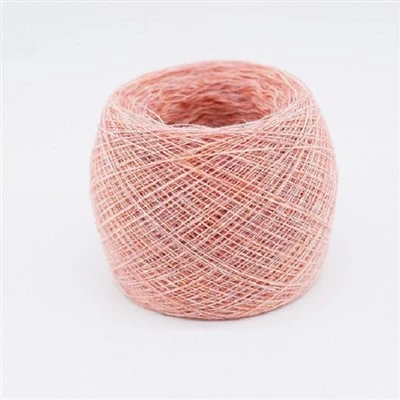
If you’re a knitter, crocheter, or someone looking to buy yarn for a project, don’t just take a label’s word for “hypoallergenic.” Do a little research: ask your supplier about fiber origin, micron weight, and processing methods. And if you’ve had bad experiences with yarn in the past, don’t write off cashmere entirely—give a fine, pure batch a try, and test it first.
Fancy Yarn At the end of the day, we’re here to help. Whether you’re making a sweater for yourself, a blanket for a baby, or accessories for a shop, we can walk you through the best cashmere yarn for your needs, including options for sensitive skin. If you have questions about specific batches, testing swatches, or placing an order, feel free to reach out to us to discuss your project details and find the right yarn for you.
References
- Journal of the European Academy of Dermatology and Venereology. "Fiber allergens in luxury yarns: A cross-sectional study of allergic reactions in adult participants," 2021.
- International Wool Textile Organization. "Lanolin content and allergenic potential of animal fibers," 2019.
- Cashmere and Camel Hair Manufacturers Institute. "Processing standards for hypoallergenic cashmere yarns," 2020.
- American Academy of Allergy, Asthma, and Immunology. "Distinguishing allergic reactions from irritant reactions to textiles," 2018.
Huangshan Aotai Textile Co., Ltd.
As one of the most professional cashmere yarn manufacturers and suppliers in China, we’re featured by quality products and good service. Please rest assured to wholesale bulk premium cashmere yarn in stock here and get quotation from our factory. We also accept customized orders.
Address: Development Zone, Bei’an Town, She County, Huangshan City, Anhui Province
E-mail: aotaifangzhi2007@163.com
WebSite: https://www.cn-aotai.com/
