When a customer reaches out to our team as a C-type welding machine supplier, one of the most common questions we get isn’t about machine setup or voltage specs—it’s about electrode selection. For anyone working with spot welding (the core function of most C-type machines), electrodes aren’t just replacement parts; they’re the bridge between the machine’s electrical current and the workpiece, directly shaping weld quality, tool longevity, and operational costs. Pick the wrong electrode, and even a top-tier C-type machine will produce inconsistent welds, wear out prematurely, or risk damaging the material being joined. Over the years, we’ve walked hundreds of fabricators, auto body technicians, and sheet metal manufacturers through this decision, and the answer isn’t one-size-fits-all—it depends on three key variables: the material being welded, the thickness of the parts, and the specific goals of the welding job. C Type Welding Machine
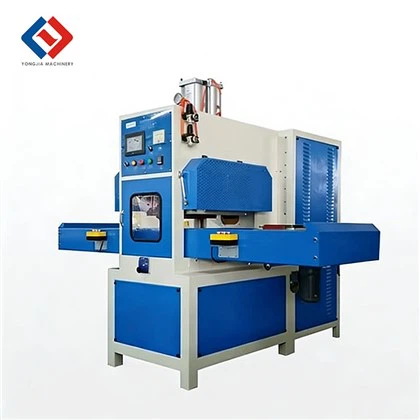
First, let’s ground this in what a C-type welding machine is, for anyone new to the space. Unlike straight-arm or projection welding machines, C-type (or “C-frame”) machines get their name from their open, C-shaped frame that holds two welding arms: the upper arm, which delivers force, and the lower arm, which is stationary. This design makes them ideal for welding small to medium-sized parts—think automotive body panels, stainless steel kitchen sinks, or thin-gauge aluminum components—where access around the part is limited, and consistent, localized pressure is critical. The electrodes attach to the end of each arm, so their shape, material, and coating directly interact with that pressure and current.
The foundation of electrode selection starts with material compatibility, and here’s where most people misstep. The two most common materials welded on C-type machines are carbon steel, stainless steel, and aluminum, each requiring a different electrode type. For carbon steel—by far the most common material in general fabrication—the go-to standard electrode is a copper-alloy tip, specifically Class 2 copper (also called EWCu-2). This alloy balances two non-negotiable properties for spot welding: high electrical conductivity (to carry the welding current without excessive resistance) and sufficient hardness to withstand the 1,000 to 5,000 PSI of force a C-type machine applies during a weld. Class 2 copper is cost-effective, easy to machine into custom shapes, and works reliably for thin carbon steel (0.5mm to 3mm thick), which makes up the majority of jobs our customers run on C-type machines. We recommend Class 2 copper for 90% of carbon steel spot welding with C-type machines, especially for high-volume jobs where tip replacement frequency is a top priority.
For stainless steel, the equation shifts slightly. Stainless has higher electrical resistance than carbon steel, which means it generates more heat at the weld joint—but that same resistance can cause the electrode to wear faster or even stick to the work piece if the alloy is too soft. For this reason, Class 3 copper (ECuCrZr-1), a copper-chromium-zirconium alloy, is the standard here. Adding small amounts of chromium and zirconium increases the alloy’s hardness by 30-40% compared to Class 2, while still maintaining excellent conductivity. This extra hardness prevents electrode sticking on stainless steel, even when welding thicker gauges (up to 4mm) that require higher force from the C-type machine. We learned this lesson early on: a fabricator came to us last year complaining that their Class 2 copper tips were wearing out after just 200 welds on 2mm stainless steel sink components. Swapping to Class 3 copper cut tip replacement to every 800 welds, and improved weld consistency by eliminating the tiny, uneven spatter that had been ruining their parts. That’s the kind of practical, material-specific choice that makes all the difference.
Aluminum is the trickiest material for C-type welding, and by extension, the trickiest for electrode selection. Aluminum has very high thermal conductivity—it dissipates heat 3 times faster than copper—so the welding current has to be higher, and the electrodes have to handle that higher current without deforming. The standard here is Class 1 copper (Cu-OF, or oxygen-free copper), which has the highest conductivity of any commercial copper alloy. Wait, you might wonder—why not use a harder alloy? The issue with aluminum is that the high heat required to melt it can cause even hard copper-chromium tips to wear quickly if conductivity isn’t top-tier. Oxygen-free copper minimizes the resistance that creates excess heat at the electrode tip, slowing wear. That said, pure Class 1 copper is soft, so we strongly recommend using a slight cap shape on the electrode (instead of a flat tip) to reduce the surface area in contact with the aluminum, which helps distribute force and prevent deformation. Another tip we share with customers welding aluminum: use a higher force setting on your C-type machine (15-20% more than for steel) to ensure a tight bond, and inspect electrodes for aluminum buildup every 50 welds—even a thin layer of aluminum on the tip will drastically reduce weld quality.
Next to material, electrode shape is the next critical factor, and it ties directly to the C-type machine’s design and the part’s geometry. C-type machines excel at accessing curved or recessed parts, so electrode shape can’t be ignored. The three most common shapes are flat-tip, domed-tip, and tapered-tip (or “pointed” tips). Flat-tip electrodes, usually with a diameter of 5mm to 10mm, are the most versatile: they work well for flat, uniform parts like sheet metal brackets or thin steel panels, and distribute pressure evenly. We suggest flat tips for most general fabrication jobs that use C-type machines, as they’re easy to source and machine.
Domed-tip electrodes, which have a rounded, convex end, are ideal for welding curved parts—like the edge of an automotive door panel or a stainless steel bowl. The rounded shape conforms to the curve of the part, creating a more consistent weld without the edge burn that can happen when a flat tip presses against a curved surface. Tapered-tip electrodes (also called “pencil tips”) are for jobs with extremely limited access—for example, welding a small bracket inside a hollow tube, or a joint in a tight corner. The tapered shape lets you reach into narrow spaces, though we caution against using them for high-force jobs: their small surface area concentrates too much pressure, leading to electrode deformation or uneven welds. For any tapered tip used on a C-type machine, we always recommend pairing it with a slightly lower current setting to compensate for the smaller contact area.
Another consideration that’s often overlooked by new C-type machine owners: electrode coatings. Some suppliers offer electrodes with a chromium plating or a diamond-like carbon (DLC) coating, and these can extend tip life significantly—especially for high-volume jobs. The plating creates a hard, non-stick surface that prevents spatter buildup from sticking to the tip, which means you don’t have to grind or replace tips as often. We’ve seen customers using DLC-coated electrodes for aluminum welding cut their tip replacement frequency by 60%, a huge cost savings when you’re running 1,000+ welds a day. That said, coatings aren’t for every job: if you’re welding thick steel, a coated tip might not handle the higher force, and the coating can wear off quickly, leading to inconsistent welds. For low-volume, custom jobs where access is key, a coated flat tip might be overkill—stick to uncoated Class 2 copper.
Now, let’s talk about common mistakes we see customers make when selecting electrodes for C-type machines, because even when you get the material and shape right, small oversights can derail your process. The first mistake is buying electrodes that are too cheap. You might see a supplier offering Class 2 copper electrodes for half the price of our standard ones, but more often than not, that’s recycled copper with a lower conductivity. Recycled copper has small impurities that create resistance, meaning you’ll need to run higher current on your C-type machine to get the same weld, which increases energy costs and wears out both the electrodes and your machine’s transformer faster. We always recommend sticking to reputable alloy standards (like AWS C11000 for Class 1, C18150 for Class 3) to avoid this.
The second mistake is not matching electrode size to your C-type machine’s capacity. Every C-type machine has a maximum force rating—most small to mid-sized models (10kVA to 20kVA, common for small fabricators) can handle electrodes up to 10mm in diameter, while larger 30kVA+ models can go up to 16mm. Using an electrode that’s too large means you can’t apply enough localized pressure, leading to weak welds; using one that’s too small means you’re overloading the arm, risking damage to the C-type machine’s frame. We tell customers to measure the width of the arm’s tip holder first, then match electrode diameter to that measurement—it’s a small step that saves a lot of headaches.
The third mistake is ignoring electrode maintenance, even if you pick the right type. No electrode will perform well if you don’t clean and reshape the tip regularly. After every 50-100 welds (depending on material), inspect the tip for spatter buildup, pitting, or deformation. If you see spatter, use a tip dresser (a small, hand-held tool specifically for welding electrodes) to grind the tip back to its original shape—don’t use a wire brush, which can leave metal fragments that cause contamination. For stainless steel or aluminum jobs, we recommend inspecting every 30 welds, since those materials wear electrodes faster. A quick tip from our service team: keep a spare set of electrodes on hand, so you can swap them out during a quick maintenance break instead of pausing production for longer repairs.
At the end of the day, the best electrode for a C-type welding machine isn’t a magic product—it’s the one that aligns with your specific job requirements. If you’re running high-volume carbon steel flat parts, go for Class 2 copper flat tips. If you’re welding small stainless steel curved parts, opt for Class 3 domed tips. If aluminum is your main material, oxygen-free copper with a tapered shape for tight access. If you’re still unsure, our team works with customers every day to match their machine and workflow to the right electrode, whether you’re a small auto body shop or a large kitchenware manufacturer. We’ve tested every electrode type available for C-type machines, and we know which ones hold up under the pressure and current your machine delivers.

Choosing the right electrode is one of the most impactful ways to get more out of your C-type welding machine—better welds, lower costs, less downtime. If you’re looking to upgrade your electrode setup, or just want to make sure you’re using the right type for your current jobs, our team is here to help. We can walk you through material specs, shape options, and maintenance routines tailored to your specific equipment and production needs. Reach out to our team to discuss your requirements and find the perfect electrode for your C-type welding operation.
Synchronous Fusing HF Welding Machines References
AWS Standard for Resistance Welding, ANSI/AWS D8.1-2020, American Welding Society, 2020.
Copper Alloys for Resistance Welding Electrodes, Copper Development Association, 2019.
C-Type Welding Machine Operation and Maintenance Guide, Industrial Welding Equipment Association, 2021.
Dongguan Yongjia Machinery Equipment Co., Ltd.
We are one of the most reliable c type welding machine manufacturers and suppliers in China, specialized in providing high quality customized service. Please feel free to wholesale advanced c type welding machine at low price from our factory. For quotation, contact us now.
Address: No. 240, Chashan South Road, Chashan Town, Dongguan City, Guangdong Province, China
E-mail: info@yjwelding.com
WebSite: https://www.yjhighfrequencymachine.com/
