If you’re a metal fabricator, automotive parts buyer, or industrial equipment manager, you’ve probably noticed forging doesn’t get the same mainstream hype as, say, additive manufacturing or carbon fiber composites. But as a forging supplier with 18 years of hands-on experience in die, open-die, and precision closed-die operations, I can tell you the market for forged components is shifting fast—and not just because of new industrial demands. Let’s break down the most impactful trends shaping right now, and how they might change how you source, specify, and value forged parts for your next project. Forging
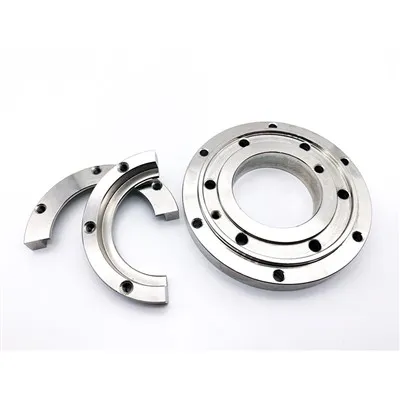
First, the biggest driver I’ve seen over the past three years: the global push toward lightweighting in transport and heavy industry. For decades, forged components were valued for their unbreakable strength, but that rigidity often came with excess weight. Now, EV manufacturers, commercial aircraft makers, and even wind turbine operators are asking for the same strength forged parts deliver, but in a package that cuts pounds without sacrificing fatigue resistance. Take electric vehicle powertrains: every kilogram removed from a battery module extends range by roughly 2.5 kilometers, so OEMs are redesigning motor mounts, gear hubs, and axle components from cast or welded steel to high-strength, low-alloy (HSLA) forgings. I worked with a EV startup last year to replace a cast aluminum motor mount with a closed-die steel forging; we shaved 12% off the part’s weight while doubling its load capacity, a win they couldn’t get from any alternative process. This isn’t just a niche shift—S&P Global’s 2023 Metal Forming Report notes that demand for automotive forged parts will grow at a 4.2% CAGR through 2028, outpacing traditional internal combustion engine demand by almost two points.
Second, traceability and material compliance have moved from afterthoughts to non-negotiables for buyers across industries. Ten years ago, a supplier could ship a forging with a material test report (MTR) that checked “basic alloy composition” and call it a day. Now, aerospace customers require chain-of-custody documentation from ore to finished part to meet FAA AS9100 standards; pharmaceutical equipment makers need forging materials that meet USP Class VI biocompatibility requirements; and oil and gas operators demand full traceability for every forging used in offshore rigs, where a single faulty part can trigger a shutdown or safety hazard. For our shop, this meant investing in a cloud-based ERP system that tracks every batch of steel we receive, from mill heat number to final inspection, and storing all MTRs, NDT (non-destructive testing) reports, and material certifications for a minimum of 10 years. Buyers aren’t just asking for “good parts” anymore—they’re asking to prove those parts were made in a way that aligns with their regulatory and risk management rules.
Third, nearshoring and regional supply chain resilience are reconfiguring forging sourcing models post-pandemic. Before 2020, many of our North American customers sourced high-volume automotive forgings from overseas, where labor and raw material costs were 20-30% lower than domestic rates. But port delays, shipping cost spikes, and trade policy shifts made that model unsustainable. In 2023, our shop saw a 28% jump in repeat orders from automotive and agricultural equipment customers who’d previously sourced from China, citing 12-week lead times for overseas shipments vs. 3 weeks with our domestic operation. This trend isn’t just about speed: recent Inflation Reduction Act (IRA) tax incentives for domestic manufacturing mean many OEMs will pay a small premium for local forgings to qualify for EV and clean energy tax credits. We’ve also expanded our open-die forging line, which produces custom parts for heavy industrial equipment, to serve customers in Canada and Mexico, eliminating cross-border logistics costs that used to eat into their budgets.
Fourth, digital tools are taking guesswork out of forging production, reducing waste and lead times for both suppliers and buyers. Ten years ago, designing a custom forging required 3-5 iterations of physical die tests, which could take 8 weeks and waste hundreds of pounds of steel if a design failed. Now, we use finite element analysis (FEA) software to simulate the forging process before we even cut a die: we can test how a high-strength alloy will deform under press force, predict shrinkage rates, and adjust die geometry in a digital space, cutting prototype time by 40% and reducing material waste per part by 15%. For buyers, this means faster quote turnaround and more accurate part specifications. A construction equipment manufacturer we partner with recently used our FEA data to adjust a bucket tooth forging; we delivered a modified design in 10 days, vs. the usual 6 weeks, and the part has since reduced tooth breakage by 18% in field testing. The shift to “smart forging” doesn’t mean replacing skilled die workers—it means giving them tools to make their expertise more efficient.
Of course, not all trends are positive for suppliers. Raw material volatility, particularly for steel and specialty alloys, has squeezed margins over the past two years. Our steel input costs rose 22% in 2022 and 12% in 2023, and while we pass on a portion to buyers, we’ve had to adjust long-term contract pricing to lock in stable material supplies. Also, skilled labor shortages in forging—traditional die making, press operation, and inspection roles—mean many shops are working at 80-90% capacity, leading to longer lead times for rush orders. That’s why, at our shop, we’ve partnered with local community colleges to create apprenticeship programs, training 6 new forging technicians last year to expand our capacity.
So what does this all mean for you, as a buyer of forged components? If you’ve stuck with your current supplier for years, it might be worth asking about their traceability processes, digital design tools, and lead time flexibility—especially if you’re working on a project that requires lightweighting, regulatory compliance, or fast turnaround. For our part, we’ve built our business on adapting to these trends: we’ve added high-volume precision closed-die lines for automotive, expanded our NDT capabilities to include ultrasonic and magnetic particle testing, and invested in digital inventory tracking to make MTRs accessible in 2 clicks, not 2 days.
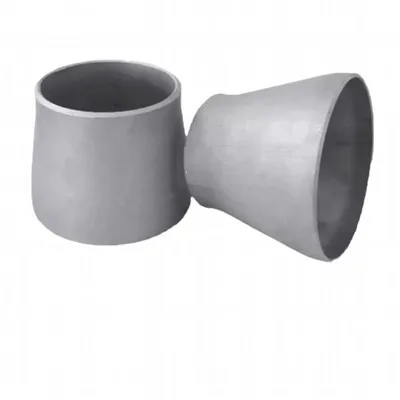
If you’re looking for a forging partner that can support your project—whether it’s a custom open-die part for wind turbines, a high-volume precision forging for EV powertrains, or a specialized component for aerospace or industrial equipment—we’re here to walk through your requirements, discuss material options, and share case studies from similar projects. We don’t offer off-the-shelf solutions, and we don’t cut corners on quality, so you can feel confident every forged component we ship meets your specs and compliance needs.
Ansi B16.36 Orifice Flange References
- S&P Global. (2023). Global Forging Market: Trends, Growth, and Competitive Analysis (2023–2028).
- Aerospace Industries Association. (2022). AS9100 Quality Management System Requirements for Aviation, Space, and Defense Organizations.
- National Machinery Association. (2023). Forging Workforce Shortage and Apprenticeship Program Initiatives.
- U.S. Department of Energy. (2022). Lightweighting Strategies for Electric Vehicle Components: Materials and Manufacturing Methods.
Shanxi Xinshunda Flange Manufacturing Co., Ltd.
As one of the most professional forging manufacturers and suppliers in China, we also support customized service with competitive price. We warmly welcome you to wholesale high quality forging for sale here from our factory. For quotation, contact us now.
Address: Zhunagli Industrial Zone,jinchang Town,dingxiang,shanxi,china
E-mail: sales01@xinflange.com
WebSite: https://www.xinflange.com/
