If you’ve ever gripped a soft, non-slip kitchen utensil handle, squeezed a stress ball that bounces back without leaving marks, or slipped on a safety work boot that flexes with your step, you’ve interacted with TPR materials—even if you didn’t know the acronym. As a supplier of TPE and TPR compounds, I get asked this question all the time: what exactly are TPR materials used for? Unlike rigid plastics or hard rubbers, TPR (Thermoplastic Rubber) blends bridge the gap between plastic’s moldability and rubber’s soft, elastic feel, making them one of the most versatile materials across industries. Let’s break down their real-world uses, why they’re a go-to for manufacturers, and why choosing the right TPR compound matters for your final product. TPE and TPR Compounds
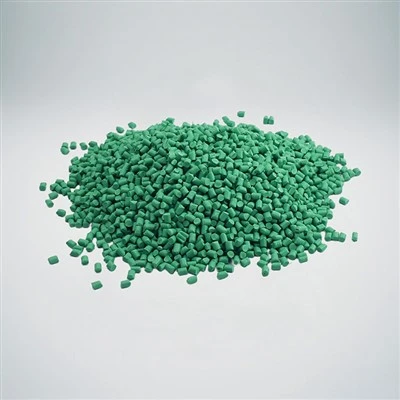
First, let’s clarify what TPR is, because it’s often confused with its close cousin TPE (Thermoplastic Elastomer). The short version: TPR is a specific type of TPE tailored for rubber-like properties—soft touch, elasticity, and resistance to wear, while TPE can sometimes include stiffer, more plastic-focused blends. For suppliers, that means TPR is ideal when you need a material that doesn’t require vulcanization (the heat-and-pressure process that cures traditional rubber), cutting production time and cost for our clients. Now, the applications are where TPR shines, and they’re way more widespread than you might think.
Home and kitchen goods are the biggest everyday use case. Think about the spatula that doesn’t scratch non-stick cookware: its soft, flexible head is almost always a TPR blend. Unlike silicone, which can melt at high heat, TPR holds up to repeated use, doesn’t leach chemicals into food, and has a grippy texture that keeps the utensil from slipping out of wet hands. We supply custom TPR compounds to kitchenware brands for bottle openers, can grips, and even the soft seals on food storage containers—parts that need to seal tightly but still twist and open easily. Another common item: the silicone-like coasters that protect your table from hot mugs. TPR is better here than plastic because it doesn’t leave water rings, is dishwasher-safe, and doesn’t crack if you drop it. For home goods, the demand is all about balance: soft enough to be comfortable, durable enough to last years, and affordable enough for mass production.
Next, automotive interiors and exteriors are a massive, often overlooked market for TPR materials. Car manufacturers switched from hard plastics to TPR for so many parts because of three key benefits: impact resistance, UV stability, and a premium soft feel. The steering wheel grip, for example—if you’ve ever held a new car’s wheel, that soft, grippy texture is TPR. It flexes slightly, absorbs vibration on long drives, and doesn’t crack even after years of sun exposure. We work with automotive component suppliers on floor mat edges, door panel inserts, and even the soft covers on gear shifts and brake handles. Exterior uses include weatherstripping around car windows and doors; TPR’s elasticity means it seals tightly against the frame, keeping out rain and wind, and it doesn’t harden or shrink in extreme cold (a common issue with traditional rubber). For automotive, consistency is non-negotiable: a TPR compound that fails after two years of cold weather is a liability, so we test every blend we supply for temperature resistance from -40°F to 212°F, matching the needs of different regions.
Sports and recreation is another fast-growing segment, where TPR’s unique combination of softness and bounce beats out other materials. Stress balls and fidget toys are the most obvious—their squishy, non-sticky feel means they’re comfortable to squeeze, and unlike foam, TPR doesn’t tear or lose shape with repeated use. We supply TPR for golf club grips: a good grip needs just the right amount of tackiness to stay in your hand during a swing, but not so much that it pulls when you release. Tennis racket overgrips, too, use TPR blends that absorb sweat, reducing hand fatigue during long matches. Even protective gear: the soft pads on knee and elbow guards for skateboarding or basketball. TPR is lightweight, flexible, and can be molded into custom shapes that fit snugly against the body, without adding bulk. Unlike hard plastic pads that can cause bruising on impact, TPR flexes with the body, making gear more comfortable for extended wear.
Medical devices are a more specialized but critical use case for TPR materials, where biocompatibility is a must. Think about the soft grips on blood pressure cuffs, the seals on pill bottles, or even the earpieces on hearing aids. TPR is ideal here because it’s non-toxic, doesn’t irritate skin, and can be sterilized with common methods like autoclaving or alcohol wipes. We supply TPR compounds that meet FDA and ISO standards for medical use, a strict requirement that sets our products apart from lower-quality TPR blends. Even something as simple as the soft cap on a thermometer is made with TPR: it’s safe to touch, doesn’t get hot, and doesn’t leave marks on skin. For medical manufacturers, cost is still a factor, but safety and compliance come first—so choosing a TPR supplier that can certify their blends for medical use is non-negotiable.
Industrial and safety equipment is another key area, where TPR’s durability and non-slip properties save lives on the job. Work boot soles, for example: TPR has high traction on wet, oily, or uneven surfaces, reducing slip-and-fall accidents on construction sites or factory floors. We supply TPR for tool grips, too: wrenches, screwdrivers, and power tools all use TPR handles because they’re comfortable to hold for long hours, and their non-slip texture prevents tools from slipping and causing injury. Even safety helmets: the soft chin straps and padding inside many modern helmets are TPR, which absorbs impact slightly and is flexible enough to adjust to different head sizes. For industrial applications, TPR needs to resist oils, chemicals, and abrasion—so our compounds are formulated to stand up to harsh environments, making them a better choice than natural rubber, which degrades quickly when exposed to chemicals.
Now, you might be wondering: why choose a custom TPR compound supplier instead of off-the-shelf material? The truth is, not all TPR is the same. A TPR blend for a kitchen spatula doesn’t work for a car steering wheel, and a blend for a stress ball won’t work for a medical device. Off-the-shelf TPR might be cheap, but it can have inconsistent softness, low UV resistance, or leach chemicals—problems that lead to product recalls or customer complaints. As a TPR and TPR compound supplier, we work with clients to tailor blends to their specific needs: adjust hardness (measured on the Shore A scale, from soft 10A for stress balls to firm 70A for tool grips), add UV stabilizers for outdoor use, or meet biocompatibility standards for medical products. We also help with part design: if you’re molding a new product, we can recommend the right TPR compound to make your molding process faster and cheaper, reducing waste and production time.
Another common question I get: how does TPR compare to silicone or natural rubber? Silicone is heat-resistant and non-stick, but it’s more expensive and less elastic than TPR. Natural rubber is elastic but degrades quickly in sunlight and can trigger allergies, whereas TPR is customizable to avoid allergens like latex. That’s why TPR is often the middle ground that checks all the boxes: cost-effective, flexible, durable, and easy to mold. For example, a company making reusable silicone food bags might switch to TPR if they need a cheaper material that still has the soft, sealable feel customers want—without sacrificing safety.
Looking ahead, the demand for TPR materials is only going up. As industries shift to more sustainable, circular manufacturing, TPR’s thermoplastic nature means it’s recyclable (unlike vulcanized rubber, which can’t be melted and remolded). We’re already working with clients to develop recycled TPR blends made from post-consumer waste, a big selling point for brands targeting eco-conscious consumers. Even in industries like 3D printing, TPR is becoming a popular material for flexible prints, used in everything from custom phone cases to medical prototypes.
If you’re a manufacturer looking to source TPR materials for your next product, working with a supplier that understands the nuances of TPR and TPR compounds can make all the difference. Whether you’re making kitchenware, automotive parts, medical devices, or safety gear, we can help you find or customize the right TPR blend to meet your performance, cost, and compliance needs. We’ve worked with small startups and large multinational brands alike, so we have the experience to support projects of any size, from small prototype runs to mass production orders.
If you’re ready to discuss your TPR material needs, we’re here to collaborate. Whether you need help selecting a standard blend, developing a custom formula, or troubleshooting a part design, our team can walk you through every step. Just reach out to our team to learn more about our TPR and TPR compound solutions.
Building Wire Compounds References
- "Thermoplastic Elastomers: Properties and Applications," Plastics Technology, 2022
- "TPR Materials in Automotive Interiors: Performance Standards," Society of Automotive Engineers (SAE), 2021
- "Biocompatible Thermoplastic Elastomers for Medical Devices," Journal of Medical Materials and Research, 2020
- "Sustainable TPR Blends: Recycled Content and Circular Manufacturing," Plastics Recycling Council, 2023
- "TPR for Sports and Recreation: Durability and Ergonomics," Sports Product Engineering Journal, 2022
Opta New Materials (Jiangsu) Co., Ltd.
As one of the most professional TPE and TPR compounds manufacturers and suppliers in China, we also support customized service. We warmly welcome you to buy bulk durable TPE and TPR compounds from our factory. If you have any enquiry about free sample, please feel free to email us.
Address: No.80, Jingang Avenue, Zhenjiang New Area, Zhenjiang City, Jiangsu Province, China.
E-mail: le.yin@optachem.com
WebSite: https://www.optanewmaterials.com/
