Hey there! I’m a supplier of preservatives, and I often get asked about the big question: How much preservative is safe to consume? It’s a topic that stirs up a lot of concerns among folks, whether they’re in the food industry or just regular consumers. So, I thought I’d break it down in a way that’s easy to understand. Preservatives
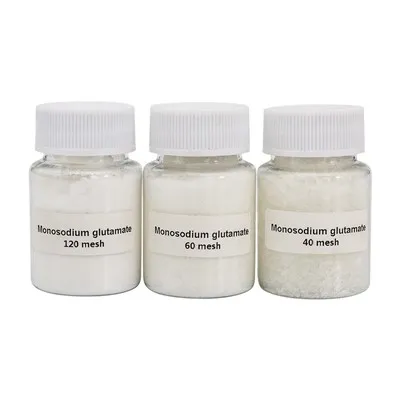
First off, let’s talk about why we use preservatives in the first place. Preservatives are like little superheroes for our food and other products. They help keep things fresh and safe to use for longer periods. In the food industry, they stop bacteria, mold, and yeast from growing so that the food doesn’t spoil quickly. This not only helps us have a consistent food supply but also saves a ton of money by reducing food waste.
Now, onto the safety part. The safety of consuming preservatives is a hot – button issue. There’s a lot of misinformation out there, with some people thinking that all preservatives are bad for you. But that’s just not true. Regulatory bodies around the world, like the Food and Drug Administration (FDA) in the US and the European Food Safety Authority (EFSA) in Europe, have set strict limits on how much preservative can be used in different products.
These limits are based on extensive scientific research. Scientists study how the human body reacts to different amounts of preservatives. They look at things like how quickly the body can break down the preservative and how much can be safely stored in the body without causing harm.
For example, sodium benzoate is a common preservative used in many soft drinks and acidic foods. The FDA has set a maximum allowable level of 0.1% for sodium benzoate in food products. This means that for every 100 grams of food, there can be at most 0.1 grams of sodium benzoate. Research has shown that at these levels, sodium benzoate is considered safe for consumption by the general population.
But, it’s important to note that some people might be more sensitive to certain preservatives. Just like how some people are allergic to peanuts or shellfish, there are individuals who can have adverse reactions to preservatives. For instance, sulfites, which are used to preserve wine, dried fruits, and some processed foods, can cause breathing problems in people with asthma. So, if you have any known sensitivities or allergies, it’s always a good idea to read product labels carefully.
Another thing to consider is the cumulative effect of consuming preservatives. We’re not just eating one product with a preservative in it. We might have a canned soup for lunch, a packaged snack in the afternoon, and a glass of juice in the evening, all of which could contain preservatives. So, even if each product is within the regulatory limits, it’s possible to consume a significant amount of preservatives over a day. That’s why those limits are set to be on the safe side, to account for this cumulative consumption.
Let’s take a look at some of the different types of preservatives and their safe limits.
Antioxidants: These are used to prevent oxidation, which can cause food to go rancid. One well – known antioxidant is butylated hydroxytoluene (BHT). The FDA allows up to 0.02% of BHT in fats and oils. BHT helps keep things like cooking oils and margarine fresh for longer.
Acids: Acetic acid, which is found in vinegar, can be used as a preservative. It’s generally recognized as safe (GRAS) by the FDA. In pickles, for example, the acetic acid in vinegar helps preserve the cucumbers and gives them that tangy flavor. There’s no strict upper limit for acetic acid in pickled products as long as it’s used in a way that’s consistent with good manufacturing practices.
Nitrates and Nitrites: These are used in cured meats like bacon and ham. The FDA has set limits on how much can be used, usually around 200 parts per million (ppm) for nitrates and 120 ppm for nitrites. They help prevent the growth of botulinum bacteria, which can be deadly. However, there has been some concern about the formation of nitrosamines, which are potentially carcinogenic, when nitrates and nitrites react with certain substances in the body. But when used within the regulatory limits, the risk is considered to be low.
As a preservatives supplier, I understand that my customers are always looking for the right balance. They want to use enough preservative to keep their products fresh and safe but not so much that it raises any safety concerns. That’s where I come in. I work with my customers to understand their specific needs and recommend the right type and amount of preservative for their products.
If you’re in the food, cosmetic, or pharmaceutical industry, and you’re looking for high – quality preservatives, I’d love to have a chat with you. Whether you’re a small – scale producer or a large corporation, I can help you find the perfect solution to keep your products in top condition.
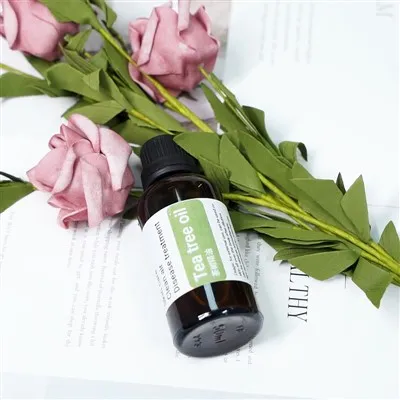
Contact me to start a conversation about your preservative needs. Let’s work together to ensure the safety and quality of your products.
Food Additives References
- Food and Drug Administration (FDA) regulations on food additives.
- European Food Safety Authority (EFSA) reports on preservative safety.
- Scientific research papers on the metabolism and safety of different preservatives in peer – reviewed journals.
Guangzhou ZIO Chemical Co., Ltd.
As one of the most professional preservatives manufacturers and suppliers in China, our products have good reputation in the market. With abundant experience, we warmly welcome you to buy bulk preservatives for sale here and get free sample from our factory. For price consultation, contact us.
Address: 5th Floor, Building 1A, Runnong Business Center, No.2 Huangcun Road, Dongpu Town, Tianhe District, Guangzhou
E-mail: alice.liu@gzzio.com
WebSite: https://www.zio-ingredients.com/
