Hey there! I’m a supplier of Polyhexamethylene Biguanide (PHMB), and let me tell you, it’s one of the coolest disinfectants out there. It’s been around for a while, but in recent years, there’s been a growing interest in how it works when combined with other disinfectants. So, I thought I’d share some insights on that. Polyhexamethylene Biguanide
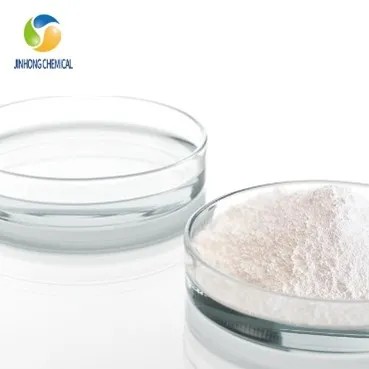
What’s PHMB Anyway?
First off, let me quickly give you the low – down on PHMB. It’s a type of biguanide polymer. You might be thinking, “What the heck is a polymer?” Well, it’s just a big molecule made up of smaller repeating units. PHMB is super effective against a wide range of bacteria, viruses, and fungi. It’s gentle on the skin, too, which is why it’s used in things like contact lens solutions and personal care products.
One of the things that makes PHMB so great is its mode of action. It disrupts the cell membranes of microorganisms. You can think of a cell membrane as the outer wall of a city. When PHMB attacks, it creates holes in this wall, causing all the important stuff inside the cell to leak out. Without its vital components, the microorganism can’t survive.
Combining PHMB with Other Disinfectants
Now, onto the main topic: how PHMB works when paired with other disinfectants. There are a few different ways this combination can be beneficial.
Synergistic Effects
One of the most exciting aspects is the potential for synergy. Synergy is when the combined effect of two or more disinfectants is greater than the sum of their individual effects. For example, when PHMB is mixed with certain quaternary ammonium compounds (QACs), they can work together to kill bacteria more efficiently.
QACs are another common type of disinfectant. They work by binding to the cell membranes of bacteria and changing their permeability. When used alone, they can be effective, but they sometimes face issues like bacterial resistance. PHMB, on the other hand, has a different mode of action. When you combine them, they can target bacteria from different angles. The QACs start the process by weakening the cell membrane, and then PHMB comes in and finishes the job by creating those holes we talked about earlier. This one – two punch can be really powerful in getting rid of tough bacteria like Staphylococcus aureus.
Broad – Spectrum Disinfection
Another advantage of combining PHMB with other disinfectants is achieving a broader spectrum of disinfection. Different disinfectants are effective against different types of microorganisms. For instance, alcohol – based disinfectants are great at killing many types of viruses, but they may not be as effective against some fungi.
By adding PHMB to an alcohol – based disinfectant, you can expand the range of pathogens it can kill. PHMB’s antifungal properties can complement the antiviral strength of alcohol. This is especially useful in settings like hospitals, where there’s a high risk of exposure to a wide variety of germs.
Reducing Resistance
Bacterial resistance is a huge problem in the world of disinfection. Microorganisms can evolve and become resistant to the disinfectants we use. But when you combine PHMB with other disinfectants, it can be harder for bacteria to develop resistance.
Since PHMB and other disinfectants have different modes of action, bacteria would need to develop multiple resistance mechanisms at the same time to survive. This is much more difficult for them than developing resistance to a single disinfectant. So, using combinations can help keep our disinfection strategies effective in the long run.
Real – World Applications
Let’s talk about some real – world scenarios where the combination of PHMB and other disinfectants is being used.
In the healthcare industry, hospitals are constantly looking for ways to keep their facilities clean and prevent the spread of infections. Many hospitals are now using disinfectant wipes that contain a combination of PHMB and other active ingredients. These wipes are used to clean surfaces like beds, tables, and medical equipment. The combination ensures that a wide range of pathogens are killed, reducing the risk of hospital – acquired infections.
In the food industry, sanitation is crucial. PHMB can be combined with other food – grade disinfectants to clean food processing equipment. This helps prevent the growth of bacteria and fungi on the equipment, which could contaminate the food products. The gentle nature of PHMB also means it won’t leave behind harmful residues on the equipment, making it safe for use in food – related environments.
Considerations When Combining Disinfectants
Of course, it’s not all sunshine and rainbows when it comes to combining disinfectants. There are a few things you need to keep in mind.
First, you need to make sure that the disinfectants you’re combining are compatible. Some disinfectants can react with each other and form harmful by – products. For example, mixing bleach with acidic disinfectants can release toxic chlorine gas. So, before you start mixing PHMB with other disinfectants, it’s important to do some research or consult with an expert.
You also need to consider the concentrations of the disinfectants. Using too high a concentration can be wasteful and may cause damage to the surfaces you’re cleaning. On the other hand, using too low a concentration may not be effective in killing the pathogens.
Why Choose Our PHMB for Combinations
As a supplier of PHMB, I can tell you that our product has some great features that make it a great choice for combination with other disinfectants.
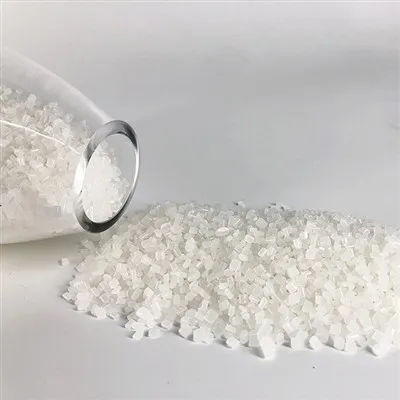
Our PHMB is of high quality. We use strict manufacturing processes to ensure that it’s pure and effective. It has a consistent composition, which means you can expect the same performance every time you use it.
We also offer technical support. If you’re not sure how to combine our PHMB with other disinfectants, our team of experts is here to help. We can provide you with guidance on the best combinations, concentrations, and application methods.
Let’s Talk
Polyhexamethylene Guanidine If you’re interested in using our PHMB for combination with other disinfectants, I’d love to hear from you. Whether you’re in the healthcare, food, or other industries, we can work together to come up with the best disinfection solutions for your needs. Just reach out to us, and we’ll start the conversation.
References
- Russell, A. D. (2003). Understanding antimicrobial action and resistance: a 2003 perspective. Journal of Hospital Infection, 53(1), 19 – 28.
- McDonnell, G., & Russell, A. D. (1999). Antiseptics and disinfectants: activity, action, and resistance. Clinical Microbiology Reviews, 12(1), 147 – 179.
Hebei Jinhong Chemical Co., Ltd.
Hebei Jinhong Chemical Co., Ltd. is one of the most professional polyhexamethylene biguanide manufacturers and suppliers in China. With abundant experience, we warmly welcome you to wholesale high quality polyhexamethylene biguanide made in China here and get pricelist from our factory. For price consultation, contact us.
Address: North of Fazhan Road, East of Qingyuan Road, Nanbao Development Zone, Tangshan City, Hebei Province
E-mail: kevin@hbjhchemical.com
WebSite: https://www.hbjhchemical.com/
