What are the electromagnetic interference issues on a drilling rig?
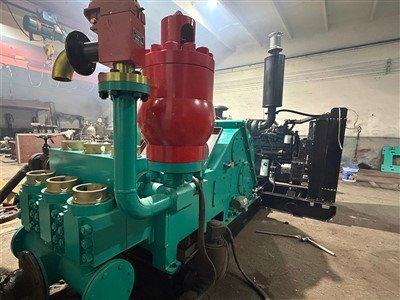
As a trusted drilling rig supplier, I’ve witnessed firsthand how electromagnetic interference (EMI) can throw a wrench into the smooth operation of these complex machines. Drilling rigs, with their extensive network of electrical and electronic systems, are highly susceptible to EMI, a phenomenon that can lead to a host of operational and safety challenges. In this blog post, I’ll delve into the nature of electromagnetic interference on drilling rigs, explore its sources, effects, and discuss strategies for mitigation. Drilling Rig
Understanding Electromagnetic Interference
Electromagnetic interference refers to the disruption of electronic signals caused by electromagnetic radiation. This radiation can originate from a variety of sources, both internal and external to the drilling rig. EMI can manifest in different forms, including radio frequency interference (RFI), which affects radio communication systems, and power-line interference, which impacts electrical equipment.
Sources of Electromagnetic Interference on Drilling Rigs
Internal Sources
- Electrical Equipment: Drilling rigs are equipped with a plethora of electrical equipment, such as motors, generators, and control systems. These devices generate electromagnetic fields during their normal operation, which can interfere with other electronic components on the rig. For example, the high – frequency switching operations of variable frequency drives (VFDs) used in motor control can produce significant amounts of EMI.
- Welding and Cutting Operations: Welding and cutting tools are commonly used on drilling rigs for maintenance and repair work. These processes generate intense electromagnetic fields that can spread throughout the rig and disrupt nearby electronic systems. The arcs produced during welding, in particular, are a major source of RFI.
- Lighting Systems: Fluorescent and LED lighting fixtures can also generate EMI. The electronic ballasts in fluorescent lights and the drivers in LED lights can produce high – frequency electromagnetic emissions that may interfere with sensitive electronic equipment.
External Sources
- Radio Frequency Signals: Radio communication systems, such as cell phones, two – way radios, and broadcast stations, operate in a wide range of radio frequencies. These signals can penetrate the drilling rig’s electronic enclosures and interfere with its internal communication and control systems. For example, a strong radio signal from a nearby cell tower can disrupt the wireless communication links between different parts of the rig.
- Natural Phenomena: Natural events like lightning strikes can cause severe EMI. A lightning strike produces an extremely powerful electromagnetic pulse (EMP) that can travel through the drilling rig’s electrical wiring and damage electronic components. Even distant lightning strikes can induce transient voltages in the rig’s electrical systems due to electromagnetic coupling.
- Power Grid Disturbances: Fluctuations and interruptions in the power supply from the grid can also cause EMI. Power surges, voltage sags, and harmonics in the grid can propagate through the drilling rig’s electrical distribution system and affect the performance of electronic equipment.
Effects of Electromagnetic Interference on Drilling Rigs
Operational Issues
- Communication Failures: EMI can disrupt radio and wireless communication systems on the drilling rig. This can lead to miscommunication between the drilling crew, the control room, and other support teams, potentially resulting in operational delays and safety hazards. For example, if the communication between the driller and the mud logging unit is interrupted, it may be difficult to monitor the drilling parameters accurately.
- Control System Malfunctions: The control systems on drilling rigs, which are responsible for regulating various processes such as mud flow, drill bit rotation, and casing installation, are highly sensitive to EMI. Interference can cause these systems to produce incorrect outputs or even shut down unexpectedly. A malfunction in the mud pump control system, for instance, can lead to improper mud circulation, affecting the drilling efficiency and hole stability.
- Instrumentation Errors: Drilling rigs rely on a multitude of sensors and instruments to monitor important parameters such as pressure, temperature, and depth. EMI can cause these sensors to give inaccurate readings, leading to incorrect decision – making during the drilling process. An error in the pressure sensor reading, for example, may result in over – or under – pressurization of the wellbore, increasing the risk of a blowout.
Safety Risks
- Fire and Explosion Hazards: EMI can cause electrical arcing in the drilling rig’s electrical systems, which can be a potential fire and explosion hazard, especially in environments where flammable gases or liquids are present. In addition, malfunctioning control systems due to EMI can lead to unsafe operating conditions, such as overloading of equipment or improper shutdown procedures.
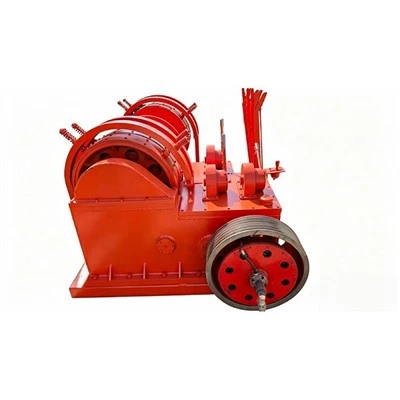
- Personal Injury: Inaccurate instrumentation and control system malfunctions can also pose a risk to the safety of the drilling crew. For example, if the brakes on the drawworks (the winch system used for raising and lowering the drill string) fail to operate properly due to EMI, it can result in a runaway drill string, which can cause serious injury to nearby workers.
Mitigation Strategies for Electromagnetic Interference
Shielding
- Faraday Cages: Enclosing sensitive electronic equipment in Faraday cages can effectively block external electromagnetic radiation. A Faraday cage is an enclosure made of conductive material that redistributes the electromagnetic fields around it, preventing them from reaching the equipment inside. For example, control panels and communication devices can be housed in Faraday cages to protect them from RFI.
- Shielded Cables: Using shielded cables for electrical and data transmission can reduce the impact of EMI. The shielding layer in these cables acts as a barrier, preventing external electromagnetic fields from inducing unwanted currents in the conductors. Shielded cables are commonly used for connecting sensors, control devices, and communication equipment on drilling rigs.
Filtering
- EMI Filters: Installing EMI filters in the power supply lines and signal paths can help remove unwanted electromagnetic noise. These filters are designed to allow the desired frequencies to pass through while blocking the frequencies associated with EMI. For example, power – line EMI filters can be used to protect electrical equipment from grid – related interference.
- Low – Pass and High – Pass Filters: In communication systems, low – pass and high – pass filters can be used to select the desired frequency range and reject unwanted interference. These filters can improve the signal – to – noise ratio, enhancing the quality of radio and wireless communication on the drilling rig.
Grounding and Bonding
- Proper Grounding: Establishing a proper grounding system is crucial for reducing EMI. A good ground provides a low – impedance path for the flow of electrical currents, including those generated by EMI. All electrical equipment on the drilling rig should be connected to a common ground to prevent the buildup of static charges and to divert unwanted currents safely to the earth.
- Bonding: Bonding involves connecting all metal parts of the drilling rig together to create a continuous electrical path. This helps to equalize the electrical potential between different components and reduces the risk of electrical arcing due to EMI. Bonding is particularly important for preventing static electricity – related problems and for ensuring the integrity of the grounding system.
Conclusion
Electromagnetic interference is a significant concern for drilling rigs, with the potential to cause operational disruptions and safety risks. As a drilling rig supplier, I understand the importance of addressing EMI issues to ensure the reliable and safe operation of our equipment. By implementing effective mitigation strategies such as shielding, filtering, and proper grounding and bonding, we can minimize the impact of EMI on drilling rigs.
Grouting Pump If you’re in the market for a drilling rig and want to ensure that your equipment is protected from electromagnetic interference, we’re here to help. Our team of experts can work with you to customize a drilling rig solution that meets your specific requirements and incorporates the latest EMI mitigation technologies. Contact us today to start a discussion about how we can provide you with a high – quality, EMI – resistant drilling rig.
References
- Hund, J. E. (2006). Electrical installation on offshore drilling rigs and workover platforms. Gulf Professional Publishing.
- Schmitt, R. L. (1997). Electromagnetic compatibility engineering. John Wiley & Sons.
- Ramo, S., Whinnery, J. R., & Van Duzer, T. (2001). Fields and waves in communication electronics. John Wiley & Sons.
Hebei Zhongxin Machinery Equipment Co., Ltd.
As one of the most experienced drilling rig manufacturers in China, we also support customized service. We warmly welcome you to buy high quality drilling rig for sale here from our factory. If you have any enquiry about pricelist, please feel free to email us.
Address: Wangxizhang Industrial Zone, Zhao County, Shijiazhuang City, Hebei Province, China
E-mail: zxnjbzg@163.com
WebSite: https://www.hbzxdrilling.com/
