Hey everyone, if you’ve ever worked with hydraulic cylinders, you know how finicky those systems can be—pressure drops, sudden spikes, even weird vibrations that make your whole setup act off. One of the easiest fixes we recommend here at the hydraulic cylinder shop is adding an accumulator. A lot of folks ask us, “Wait, how do I even install that without messing up my whole system?” So I figured I’d break this down step by step, no jargon, just the real deal we use on every job. Hydraulic Cylinder
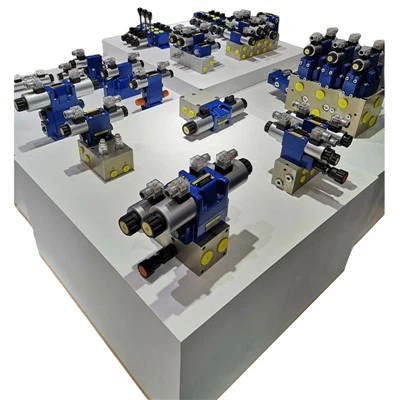
First off, let’s cut through the confusion: an accumulator isn’t some fancy add-on just for big rigs. It’s basically a pressure reserve—stores pressurized fluid so your cylinder doesn’t have to work overtime. We’ve seen guys skip this and end up with broken seals, lost productivity, even safety issues. So if you’re looking to install one, let’s start with the prep work because that’s where most people mess up.
First, you need to pick the right accumulator. Wait, not all accumulators are the same! There’s bladder, piston, diaphragm—each for different jobs. Bladder’s the most common for our cylinder systems because it’s compact and holds pressure steady. Piston’s good for higher flow, diaphragm for small, quick cycles. How do you know what size? You gotta calculate your system’s volume and pressure. If you’re not a math person, don’t stress—we can help, but quick tip: if your cylinder cycles fast and has big load changes, go bigger. Too small, and it’s useless; too big, and you’ll waste space and cash.
Next, safety first. Hydraulic systems are no joke. Shut off the power! Lock out the pump so no one accidentally turns it on while you’re working. Then bleed all the pressure out of the lines. Seriously, even a tiny bit of pressure can make a fitting blow off and hurt you. We use a pressure gauge to double-check—once it reads zero, you’re good to go. Skip this step, and you’ll be the one we’re explaining the mistake to over a beer later.
Now, find the right spot to mount it. You can’t just jam it anywhere near the cylinder. The best spot is close to the cylinder—like within a foot or two if you can. Why? Because pressure loses its zip over long lines. If it’s too far, the accumulator won’t do its job right. Also, mount it where it’s stable—no wiggling around. We use a metal bracket, bolted to the frame or the pump housing, so it doesn’t vibrate loose. Oh, and make sure it’s accessible—you’ll need to check its pre-charge pressure every few months, so don’t hide it behind a bunch of hoses.
Time to connect the lines. First, get the right fittings. Don’t use random pipe fittings from the hardware store—hydraulic lines need ones that fit your accumulator and your system’s ports. We always use flare fittings for high-pressure stuff, they don’t leak like compression ones. When you tighten the fittings, don’t overdo it. I’ve seen a guy crank a fitting so hard he cracked the accumulator’s port—total waste. Tighten until the seal is snug, then a quarter turn more. That’s it.
Before you hook it up fully, you need to pre-charge the accumulator. This is super important. Bladder accumulators come with a gas side (usually nitrogen) and a fluid side. You pre-charge the gas side to a pressure lower than your system’s operating pressure. If you set it too high, it won’t store enough fluid; too low, and the bladder can stretch and burst. How do you check the pre-charge? Use a nitrogen regulator and a pressure gauge on the gas valve. We usually tell customers to set it to 80% of their minimum system pressure. Again, if you’re not sure, hit us up—no shame in asking, way better than replacing a $500 accumulator.
Now, connect the accumulator to the system. Most of the time, you tee it into the line that feeds the cylinder’s cap end (the side that pushes the load). That’s because the cap end has higher pressure when the cylinder extends, so the accumulator can grab that extra fluid. Wait—don’t tee it into the return line! That’s low pressure, and the accumulator won’t do anything useful there. Trust us, we tried that once on a farm rig and it did absolutely squat.
Once it’s plumbed in, it’s test time. Don’t just fire it up and run. First, slowly open the isolation valve on the accumulator (if it has one). Then turn on the pump, but run it at low speed for a minute. Check for leaks—fittings, seals, everywhere. If you see a tiny leak, tighten the fitting a little more. If it’s a big leak, shut it down immediately. Then run the cylinder through a few full cycles—extend, retract, repeat. Watch for weird things: if the pressure gauge jumps way up, or the cylinder jerks, you messed up the pre-charge. If the accumulator gets too hot, you might have it on the wrong line.
Wait, common mistakes here. A lot of people forget to vent the air from the accumulator. Yeah, air in the gas side kills the performance. There’s usually a vent valve on the top—after you run the first few cycles, crack that open a little to let any trapped air escape. Then close it back up.
Once it’s working right, don’t just set it and forget it. We tell customers to check the pre-charge every 3 months, especially if the system runs heavy loads. Bladders can wear out over time, so if you notice the accumulator not holding pressure, it’s probably time to replace the bladder. Also, keep the mounting tight—vibration will loosen bolts over time.
Now, why does this matter for your hydraulic cylinder? Let’s be real—if you’re running a business, downtime costs cash. We installed accumulators on a construction company’s crane cylinders last year, and they cut their seal replacements by 40%. No more waiting for parts, no more missed jobs. That’s the win here.
Wait, I know some of you are thinking, “Can I install this myself?” Yeah, if you’re handy with tools and follow the steps. But if you’re not 100% confident, that’s what we’re here for. We don’t just sell hydraulic cylinders—we help you get the add-ons right too. Whether you need help picking the right accumulator, a hand with the install, or just someone to walk you through it over the phone, hit us up. We’re not the big corporate guys that make you fill out 10 forms—we’re real people, and we know your setup matters.
Oh, and one last tip: don’t skimp on parts. Use hydraulic hoses rated for your system’s pressure. Regular rubber hoses will blow if you hook them up to a high-pressure accumulator. We only use SAE-rated hoses for every job, so you don’t have a hose spraying fluid all over your shop.
At the end of the day, an accumulator is one of the most cost-effective upgrades you can do for your hydraulic cylinder system. It extends the life of your cylinder, cuts down on pressure spikes, and keeps your work running smooth. But only if you install it right. Skip the shortcuts, follow the steps, and if you get stuck, reach out. We’re here to make sure your system works the way it’s supposed to.
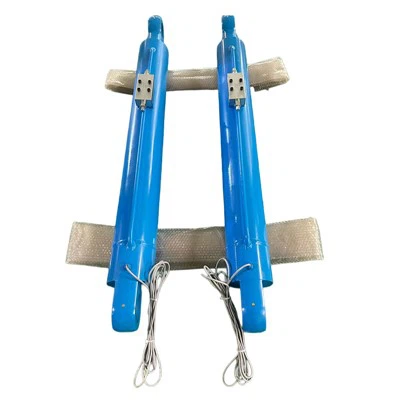
If you’re looking to upgrade your hydraulic cylinder setup with an accumulator, or just have questions about what’ll work for your rig, feel free to connect with us. We’re all about getting the right gear and the right advice, no fluff.
Tie Rod Cylinder References:
- Hydraulic Design Handbook, hydraulic cylinder industry technical manual
- Bladder Accumulator Installation and Maintenance Guide, Fluid Power Society standard practices
- Practical Hydraulic System Troubleshooting, Industrial Press guide to fluid power systems
Wuhu Zhongye Fluid Equipment Co., Ltd.
We are one of the most experienced hydraulic cylinder manufacturers and suppliers in China, specialized in providing high quality customized products. Please feel free to wholesale bulk durable hydraulic cylinder in stock here from our factory. Contact us for quotation.
Address: No. 2, Hexing Road, Sanshan District, Wuhu City, Anhui Province
E-mail: zhongyehydro20@163.com
WebSite: https://www.zhongyehydro.com/
